

Mixing double and triple glazing according to the direction a room faces or how it’s insulated, balances comfort with energy efficiency. Before making your choice, consider your installation budget, future fuel bills, the location of your home, the condition of your current windows, the level of insulation in your home, and your long term goals. Are you planning to stay put? Or will you be moving in a few years time? All of these factors effect what solution, or combination, is right for you, your house, and your budget.
What’s The Difference Between Double and Triple Glazing?
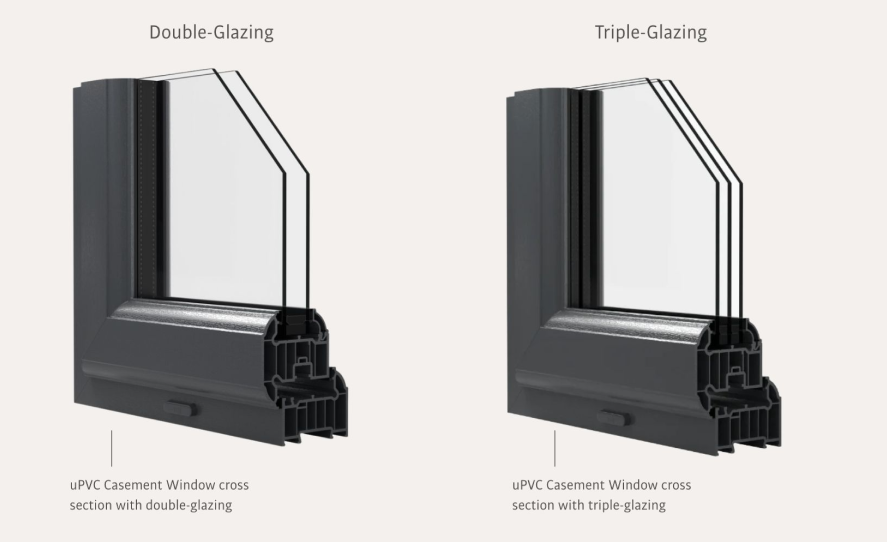
Double glazing consists of two panes of glass separated by either a vacuum, or an inert-gas filled gap, which significantly reduces heat loss from your home. Insulating gas, such as Argon, in a sealed unit, is denser than air and reduces heat loss. Triple glazing involves three panes of glass and two gaps. Both are available in various frame materials including uPVC and aluminium. Multiple panes of glass also absorb sound, giving a quieter indoor environment for those living beside main roads, railways or airports.
The difference is more than simply two panes versus three, or two gas filled spaces versus one. In terms of performance, triple glazing reduces heat loss by about 30% more than double glazing, making it ideal for north-facing windows and exposed locations. This is because triple glazing has a lower ‘U-value’ than double glazing, so it loses less valuable heat. Also, triple glazing is thicker and heavier, so it may not be suitable for all window spaces.
As you can see from the chart, the U-value – measurement of heat loss – is significantly lower in triple glazing, which means more comfort and lower bills.
| Feature | Double Glazing | Triple Glazing |
|---|---|---|
| Panes of glass | Two panes | Three panes |
| Typical U-value | 1.2–1.6 W/m²K | 0.7–1.1 W/m²K |
| Sound reduction (Rw) | ~28–35 dB | ~30–40 dB |
| Relative cost | Baseline | +15–30% more |
| Weight | Standard | 30–50% heavier |
| Best for | Most homes, south facing rooms | Cold elevations, noise-prone sites, new builds |
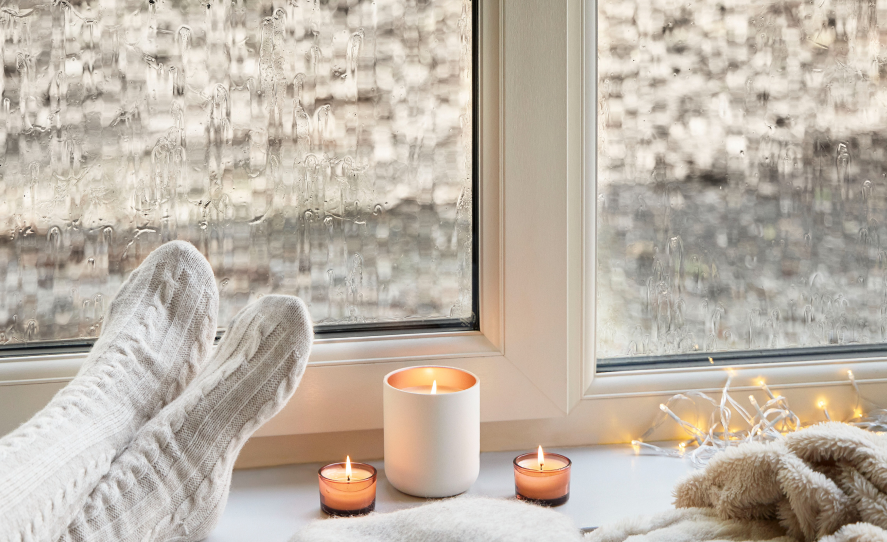
Energy Efficiency – Greater Comfort, Smaller Bills
With Ireland’s changeable weather, the only thing that’s consistent, is high energy prices. Every watt of heat saved lowers those bills and reduces your carbon footprint, while helping you survive the Irish climate. Remember, lower U-values means less heat lost. Today’s A-rated double glazing reduces heat loss by around 75-80% over single glazing. Triple glazing reduces it further. Upgrading your windows and doors can improve BER ratings, especially when combined with wall and attic insulation.
When Double Glazing May Be The Answer
High quality double glazing is ideal for most Irish homes. Lower bills help pay back the cost and, with no external drafts, and consistent, even controllable heat throughout your home, you’ll be living in optimum comfort.
When should you should choose double glazing:
- Refurbishing your home or installing energy efficient windows: consider double glazing for replacing single glazed windows. It’s also worth replacing double glazing that pre-dates 2002, as window technology has advanced greatly since then.
- Make the most of your budget. Quality double glazing pays you back with lower fuel bills and it can add to the re-sale value of your home – not to mention making it more comfortable to live in.
- In well-insulated homes, particularly south facing windows, modern double glazing is often enough, without triple glazing.
- If you plan to move in 5-8 years, double glazing is more likely to give you a return on investment.
- Double glazing is cheaper, lighter and available in more styles than triple glazing, making it the best option for mid-budget homes.
- Double glazing gives enough sound proofing for most locations.
Is Triple Glazing Worth The Extra Cost?
Triple glazing benefits exposed locations and high-performance homes:
- Larger glazed areas, such as patio doors and picture windows, really benefit from triple glazing.
- If you live by the coast, on a hillside, in exposed area, or you have north or east facing rooms, choosing triple glazing means better thermal performance, saving valuable heat and keep your home cosy.
- Triple glazing offers many benefits in a new build and refurbishments, particularly those looking for lower energy bills or near-Passivhaus performance.
- If you live in a busy urban area, by a busy road, or near an airport, triple glazing adds greater soundproofing.
- Adding a laminate pane to your triple glazing, can add an extra 10 decibel noise reduction.
Double vs Triple Glazed Windows – Cost, Benefit and Payback:
Double and triple glazing are a medium term investment. What may seem like high upfront costs, give enhanced performance immediately – greater comfort, enhanced value to your home and, in combination with other energy-saving measures, lower bills. Triple glazing can cost 15-30% more than double and may take a bit longer to pay for itself, so make sure you weigh up all the benefits. Mixing double and triple glazing is a good solution. Evaluate the rooms – which are more exposed? Which are north or south-facing? Are there large windows or patio doors? Installing the ideal glazing type for each room, gives you all the comfort and higher energy savings, for a lower outlay.
Security and Noise Reduction
Many Irish homeowners are concerned about noise pollution and security in their new windows and doors. Standard double glazing provides between 28–35 dB noise reduction, compared to equivalent triple glazing which offers around 30-40dB, with laminated or acoustic glass. While this is a significant extra protection, it’s important to look at the constituent parts. It’s not just about the extra pane as the thickness of glass, laminated panes, acoustic glass, spacer design all play their part.
Security features are better built-in than added later. You can specify what type of glass you want in your double and triple glazing: toughened glass or laminated safety glass. Multi-point locking in external doors provides ultimate security. Together with secure beading and robust frames, your house is truly secure.
Decision Time! How to Choose Between Double and Triple Glazing
Your home and your family are unique, so is your choice of glazing type, and the security features and styles, so before making up your mind, consider your needs, wants, plans and budget.
Quick decision checklist:
- If you have single pane windows or double glazing from pre-2002, substantial improvements in modern double glazing will ensure significantly enhanced performance.
- In colder regions it’s better to opt for triple glazing – e.g. by the coast or on an exposed hillside.
- Which rooms need attention? East and north facing rooms will benefit most from triple glazing. In south facing rooms double glazing may be enough. Consider each room individually.
- Living near a busy road or airport? Rather than focusing solely on double or triple glazing, consider laminated glass, which is specifically designed to improve acoustic performance and reduce outside noise.
- Moving soon? Or staying put? Triple glazing will pay for itself if you’re staying put for ten years or more. If you plan to move sooner, double glazing is the economic choice.
- If you’re upgrading your glazing, evaluate other energy saving features in your home – insulation in the attic and cavity walls, airtightness, draught reduction etc.
- Always ask for U-values, g-values (solar gain), and acoustic ratings. These independently verified numbers give real comparisons between products. In the case of U-values, check whether the number given refers to the U-value of the centre pane of a window, or the overall U-value. Some manufacturers express it different ways so it’s important to be sure you’re comparing like with like.
- Putting triple glazing where it’s needed and high-spec double glazing everywhere else, helps balance today’s budget, with next month’s fuel bill, and a lifetime of comfort.
Conclusion: Making All The Difference
Every day the central heating is on is a day the right glazing and insulation will save you money. Wherever you live, the right glazing reduces fuel costs, increases comfort and absorbs noise. The important thing is to find a combination that fits your home and your budget.
It’s always the right time to consider upgrading your glazing, which means it’s always a good time to contact Senator, or to visit your nearest Senator showroom and talk to your local Senator representative. They have experience providing the ideal glazing and frames for homes of all kinds and sizes, in your area and beyond. They can answer all your questions and give you the advice you need to make the right decision.


