
Houses generally come with windows and doors, so many people have never had to choose, specify or install windows and doors for their homes. As energy prices rise and thermal performance improves, maximising your home’s energy efficiency makes sense. There are many variables. Is your house: North or South-facing? Urban or rural? On an exposed site? New or old? These factors will influence the material, the type of glazing and the sort of window you choose. Homeowners should also consider how the window design fits in with other homes in the area, especially in well established areas. The style of your windows should complement your home’s architecture, as mismatched styles could potentially harm your property’s value.
Another factor is Ireland’s unique climate. What works elsewhere may not be effective in our mild, damp climate, so it’s important to work with experienced experts who know what will work best in your specific location. Purchasing windows and doors is a significant investment, requiring careful planning to balance the aesthetic you desire with budget and energy performance. Whether you’re renovating, building from scratch, customising a new build, or you just want better thermal efficiency, this article will help you make the right choices.
First steps and key questions
Which material, what style?
There is a variety of door and window materials each offering different advantages in terms of style, maintenance, efficiency and cost.
Insulation and weatherproofing?
The direction you face, your location, and proximity to the sea all affect your choices.
Glazing options?
Double or triple-glazing? Sash window or casement window? Residential, sliding patio, or French doors. Different types of windows and doors suit different parts of the house.
Window and Door Security?
The right security choices will add to your convenience and your peace of mind.
Installation?
Proper installation ensures long term performance. Everything should be measured, manufactured and installed specifically for your home.
Extras?
People often forget accessories and fittings. Some are optional, others essential, but it’s best to include them from the start.
Choosing Modern Windows: Material, Style and Curb Appeal
Choosing windows and doors begins with the material. Sometimes, a particular material suits a specific application. For example, aluminium’s strength makes it ideal for larger expanses of glass, such as sunrooms, picture windows or sliding doors. Some people opt for composite front doors, alongside uPVC or aluminium windows. Others go for timber windows, usually in heritage properties. Wood can look great but there’s a great deal of maintenance involved. Consider how often you are willing to clean or paint when selecting materials for windows and doors.
uPVC
uPVC offers several advantages and mimics natural timber. It costs less, it’s low maintenance (just an occasional wipe with warm soapy water), and it provides ongoing energy savings, thanks to its excellent U-Values. It’s strong which, with high-security locking mechanisms, makes it very secure. uPVC is stylish and versatile. It’s available in smooth and authentic woodgrain finishes, and comes in up to 26 colours. Dark colours, like anthracite grey and black are still in high demand for windows and doors, offering high contrast. You can even have different colours inside and out. uPVC also provides good sound insulation.
Aluminium
Aluminium offers many of the same benefits found in uPVC. It’s affordable, long lasting and requires little maintenance, while providing good sound and heat insulation. Aluminium is ideal for large glass areas because it is strong enough to support heavy panes of glass without needing bulky frames. This allows for slim window designs with more glass, letting in more natural light and providing clear, uninterrupted views—features commonly preferred in modern, minimalist homes.
Composite Doors
Strong, durable, elegant composite doors are the perfect combination of style and function. The material used in our Sentinel Composite Doors, was originally developed for aircraft and racing cars. It has a great strength-to-weight ratio, resulting in an uncompromising mix of style, energy-efficiency and security, further improved by an advanced locking system and thermally toughed safety glass. Single or double doors, opening inward or outward, Sentinel Composite Doors have excellent U-Value ratings and offer the highest standards of weather resistance and draft proofing.
Energy Efficiency — It Makes all the Difference
Energy efficiency is the prime reason for replacing windows and doors. With no drafts and consistent temperatures, energy efficient homes are more comfortable to live in. Plus, the energy costs/heating bills can be lower due to lower energy consumption. Energy efficiency is measured in U-Values which indicates the level of ‘thermal transmittance’ – heat loss – through windows and doors. It’s measured in W/m² K (Watts per metre squared). The lower the number, the less heat being lost. An inefficient home means high fuel bills, overworked heating systems, draughty windows, damp and mould. Energy efficiency isn’t just about today’s fuel bill, it will improve comfort and protect your biggest asset – your home.
Energy Efficient Glazing: Features to Check
When evaluating the long-term performance of energy efficient glazing on windows and doors there are a number of things to look out for:
Double or Triple Glazing
Windows can have double or triple glazing. It’s best to discuss your options with your representative to see what glazing will suit your home and allow you as much natural light and energy efficiency as possible.
Gas-filled
The spaces between layers of glazing provide much better insulation if they are filled with gas rather than air.
Thermal break
Creating a break between the front and back of the frame – known as a thermal break – interrupts the flow of heat escaping through the frame.
U-Value
The U-Value tells you the rate of potential heat loss, so look for the lowest number.
Solar Control Glazing
If there’s an area in your house that gets a lot of sun, Solar Control Glazing helps prevent overheating and glare.
Noise Reduction
If you live in a noisy area, close to a main road for example, acoustic glazing helps reduce the impact of external noise, leading to a calmer environment.
Laminated Glass/Toughened Glass
Laminated glass can give extra strength, thermally toughened glass provides up to five times the strength and protection. Look for these reassurances when you’re comparing windows and glazed doors and you can be confident you are getting the products most suited to your specific circumstances.
How do Windows and Doors Affect Security
Your choice of doors and windows will optimise security without compromising the style of your home.
Doors
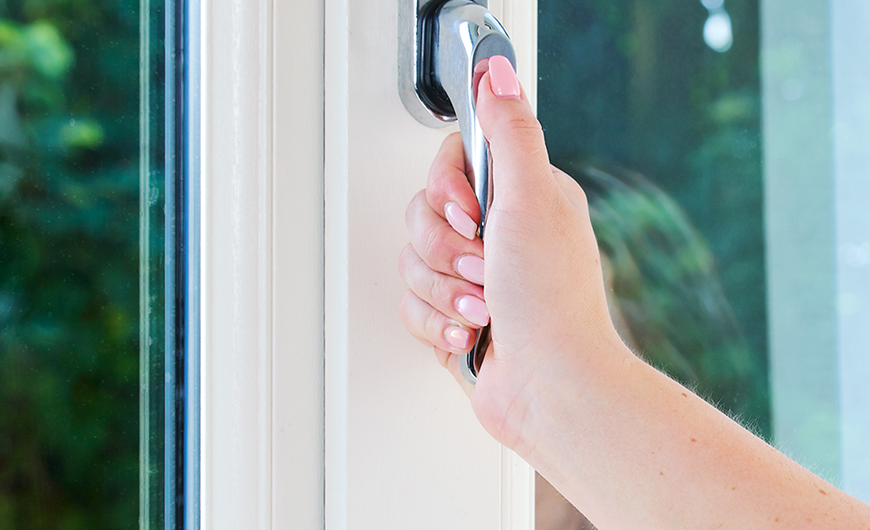
Traditional locks only secure the door at the handle. A multi-point locking mechanism secures doors top and bottom. Internal beading on glazed doors prevents intruders from removing glass. Keepsafe door handles delay and dissuade intruders by resisting ‘jemmying’, protecting the lock cylinder from drilling, and other safeguards.
Windows
Check for security features when selecting windows. Are windows internally glazed? Was toughened safety glass used? If you are considering uPVC Casement or French windows, look for high security shoot bolts with multiple locking points.
Installation Process
Accurate Measurements and Custom Manufacture
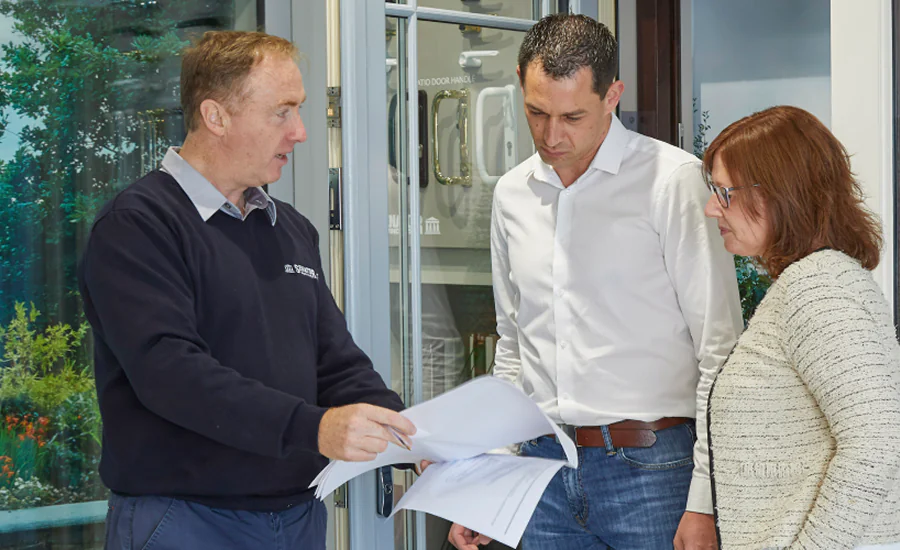
All new windows and doors are bespoke. When you decide to proceed with installation/replacement of new doors and windows, the right installer will do a thorough survey of your home, gathering precise measurements of every location.
Your new windows and doors are then expertly crafted and an approximate date for installation is agreed. The installation team will keep you updated, before agreeing a final date for installation. Installation takes anything from a few hours to a couple of days for like-for-like replacements, depending on the size of the project. Your representative will advise you accordingly.
Preparing Home for Installation and Removal of Old Windows
Before installation begins, it’s important to ensure each opening is fully accessible. We recommend clearing the area around windows and doors, moving any nearby furniture, and protecting floors and finishes to help ensure a smooth and efficient installation process. Once surrounding areas are cleared, installation is smooth and efficient. The key things to remember are:
- Remove curtains, blinds, soft furnishings in front of windows and anything on nearby walls.
- Ensure alarm is disconnected and arrangements made for reconnection on completion.
- Protect floors with groundsheet or mat.
On installation day, professional installers will remove and dispose of your existing windows, doors, and related materials. Each opening is then carefully inspected and prepared before your new windows and doors are securely fitted and sealed. Once installation is complete, final adjustments and thorough sealing are carried out, followed by a full clean-up. Homeowners should allow adequate ventilation and following simple care guidance to help ensure long-lasting performance.
Building Regulations and Compliance for Irish Homes
Technical Guidance Documents (TGDs) outline requirements on safety, energy, ventilation and accessibility. Irish Building Regulations aim to ensure that windows and doors contribute to a comfortable living space while improving a home’s safety and energy efficiency.
By understanding and complying with these standards, many homeowners can be assured that their windows and doors meet the requirements set out in Irish building regulations. Regulations will vary according to property specifics and when replacing or installing windows/doors in Ireland, you must comply with:
| Requirement | Relevant Regulation |
|---|---|
| Energy efficiency (U-values) | Part L – Conservation of Fuel and Energy |
| Ventilation (including trickle vents) | Part F – Ventilation |
| Fire escape / means of escape | Part B – Fire Safety |
| Safety glazing | Part K – Stairways, Ladders, Ramps and Guards |
| Accessibility (doors/access) | Part M – Access and Use |
| Weatherproofing / moisture resistance | Part C – Site Preparation and Resistance to Moisture |
Details correct as of June 2026.
The Cost of Replacing vs. The Cost of Not Replacing
The cost of replacing windows and doors varies from house to house but it’s also important to factor in savings on reduced energy bills. If you’re eligible for an SEAI grant you could save up to €5,600 on your new windows and doors. New doors and windows will pay for themselves faster than you’d think and add to the energy efficiency of your home!
Conclusion: Making all the Difference
Six key things to remember:
i) Which material: uPVC windows? Aluminium windows? Composite doors? Which material offers optimum comfort, economy, security and curb appeal.
ii) Insulation/Energy efficiency: Which windows and doors will give you the most comfort and economy, with the least maintenance, at the lowest cost.
iii) Glazing options: Double or triple glazing? Toughened safety glass? Acoustic glass?
iv) Security: Multi-point locking? Keepsafe Door Handles? High security Shootbolts.
v) Installation: Larger projects may take longer to make. Your installer will give you a lead time and come back with a confirmed date. Remember to prepare areas around doors and windows being replaced.
vi) Extras: Built-in blinds? Letterboxes? Door knockers? Decide on accessories before work begins so you’re not faced with additional costs.
Consultations are free. Why not contact your nearest Senator dealer or visit your local Senator showroom? Your Senator representative will answer any questions you have. Ask them about Senator’s 15-year guarantee on all uPVC and Aluminium doors and windows.
Find your nearest senator dealer here.


